
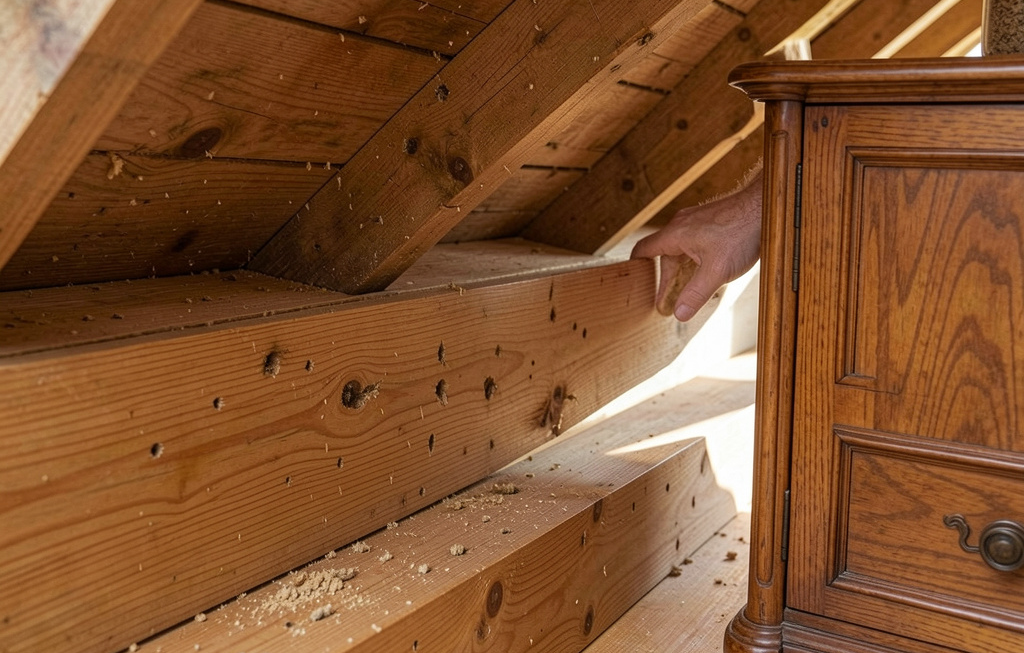
Wooden homes, furniture, flooring, roof beams, and structural timber can sometimes become vulnerable to pests such as woodworm, beetles, and termites. For many years, chemical pesticides were the most common solution for wood pest problems. However, many homeowners now prefer non-toxic pest control methods that reduce strong odors, indoor chemical exposure, and environmental concerns.
The good news is that many non-toxic pest solutions can help protect wood effectively, especially when paired with moisture control, ventilation, and routine inspections. Heat-based treatments, physical prevention, and low-chemical wood protection methods are increasingly popular because they focus on eliminating pests while maintaining healthier living environments.
Many homeowners researching timber care through shashel.eu/ increasingly prefer safer pest control solutions that support both long-term wood protection and healthier indoor spaces.
In this guide, we will explain the best non-toxic pest solutions for wood and how homeowners can protect timber naturally.
Heat Treatment
One of the most effective non-toxic pest solutions is:
Heat treatment
How Heat Treatment Works
Controlled heat raises timber temperature high enough to eliminate:
- Eggs
- Larvae
- Adult pests
Heat treatment is commonly used for:
- Woodworm
- Beetles
- Hidden timber infestation
Why Homeowners Prefer It
Heat treatment:
- Reduces reliance on chemical pesticides
- Leaves no chemical residue
This makes it attractive for homes with:
- Children
- Pets
Healthy indoor environments matter.
Balanced treatment improves comfort.
Microwave Treatment for Hidden Wood Pests
Microwave technology is becoming increasingly popular.
How Microwave Treatment Works
Microwave energy heats moisture inside:
- Wood
- Insects
This helps destroy:
- Hidden larvae
- Eggs
Why It Is Considered Non-Toxic
Microwave treatment mainly relies on:
Controlled heat instead of heavy chemicals
This helps target infestation deep inside timber while reducing unnecessary chemical exposure.
Many homeowners exploring timber care through shashel.eu increasingly choose microwave treatment because it supports deeper pest control with lower chemical use.
Moisture Control: One of the Best Natural Solutions
Moisture attracts many wood pests.
Why Damp Wood Matters
Wood pests commonly prefer timber that becomes:
- Damp
- Soft
Helpful Prevention Habits Include
Fix:
- Roof leaks
- Pipe leaks
Improve:
- Ventilation
Dry timber naturally discourages infestation.
Healthy homes stay drier.
Improve Ventilation
Healthy airflow supports natural wood protection.
Why Ventilation Matters
Good airflow helps:
- Reduce humidity
- Lower moisture buildup
High-Risk Areas Include
- Attics
- Crawl spaces
- Roof spaces
Dry environments naturally discourage pests.
Simple improvements matter.
Seal Cracks and Entry Points
Prevention matters as much as treatment.
Why Sealing Helps
Small openings may allow:
- Egg laying
- Pest access
Areas Worth Inspecting
Check:
- Roof beams
- Wooden walls
- Furniture joints
Small repairs improve protection.
Healthy timber lasts longer.
Natural Preventive Maintenance
Routine care plays a major role in pest prevention.
Helpful Habits Include
- Inspecting timber regularly
- Fixing moisture problems quickly
- Keeping wood dry
Why Prevention Works
Healthy environments naturally discourage:
- Woodworm
- Beetles
- Termites
Consistency protects timber.
Routine Inspections Help Prevent Major Problems
Early detection improves outcomes.
Warning Signs to Watch For
Look for:
- Tiny holes in wood
- Powdery dust (frass)
- Weak timber
Why This Matters
Small warning signs often prevent:
- Expensive repairs
Routine inspections remain one of the smartest prevention methods.
Many homeowners researching timber care through shashel.eu understand that regular inspections improve long-term timber protection.
Low-Chemical Wood Protection Methods
Some homeowners prefer lower-chemical approaches.
Common Options Include
- Heat-based methods
- Moisture prevention
Why Homeowners Prefer Them
These methods may help reduce:
- Indoor chemical exposure
Balanced wood care matters.
Healthy homes feel more comfortable.
Protect Wooden Furniture Naturally
Furniture deserves protection too.
Helpful Maintenance Tips
Keep furniture:
- Dry
- Clean
Inspect regularly for:
- Tiny holes
- Weak joints
Routine care improves lifespan.
Healthy furniture lasts longer.
Common Mistakes Homeowners Make
Waiting for Visible Damage
Hidden infestation often develops first.
Ignoring Moisture
Damp timber attracts pests.
Delaying Treatment
Damage spreads quietly.
Skipping Hidden Areas
Attics deserve inspection.
Routine care improves protection.
Long-Term Benefits of Non-Toxic Pest Solutions
Choosing safer methods offers major advantages.
Benefits Include
- Reduced chemical exposure
- Healthier indoor environments
- Better timber protection
- Lower long-term repair costs
Healthy wood protects the home.
Prevention saves money.
Conclusion
The best non-toxic pest solutions for wood include heat treatment, microwave technology, moisture control, ventilation, sealing entry points, and routine inspections. These methods help reduce pest problems while lowering unnecessary chemical exposure inside the home.
Keeping timber dry, improving airflow, fixing leaks quickly, and acting early when warning signs appear are some of the smartest ways to maintain strong and healthy wood.
